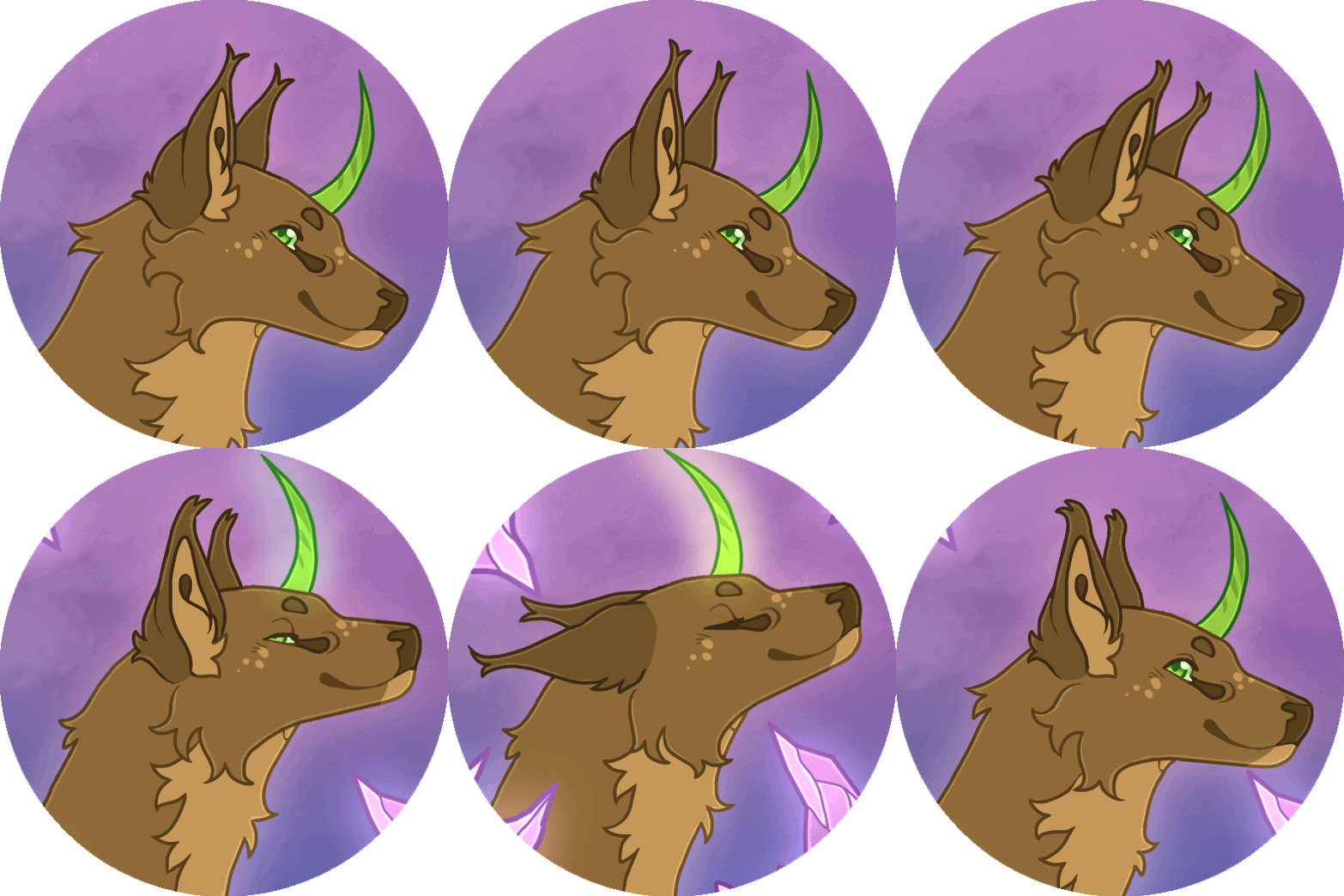
Traits
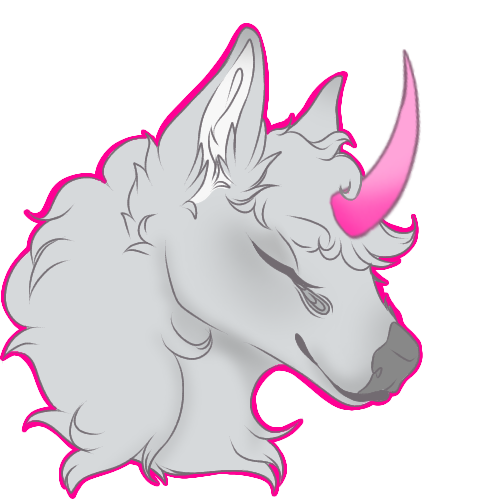
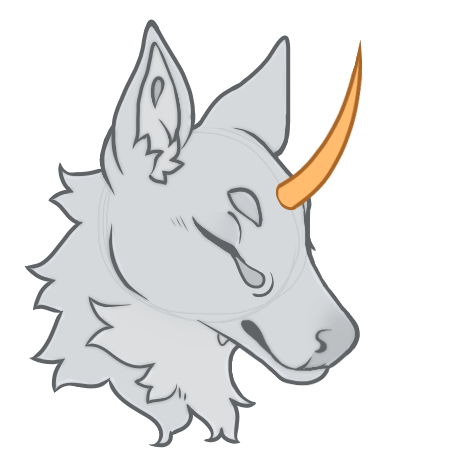
Rhino Horn (  Uncommon)
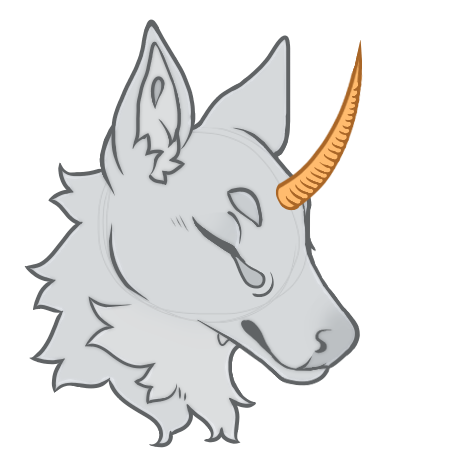
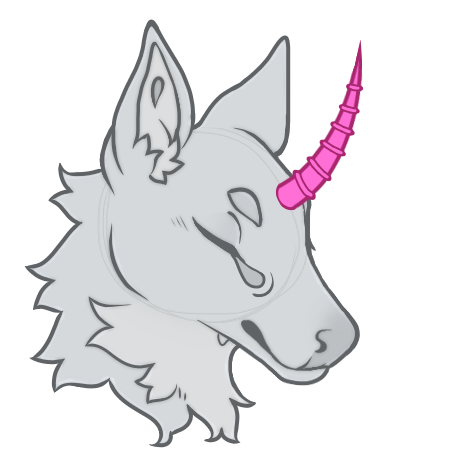
Your corceïs is born with a horn that has a thick, sturdy base, tapering to a point in a classic rhinoceros-like shape. This gives the horn a powerful, grounded silhouette. Like all traits, this can be inherited by offspring.
Notes:
• The base is noticeably wider than the tip.
• Horns can vary in length and taper, but always retain a solid, “thicc” foundation.
• Slight curves or imperfections may occur along the horn.
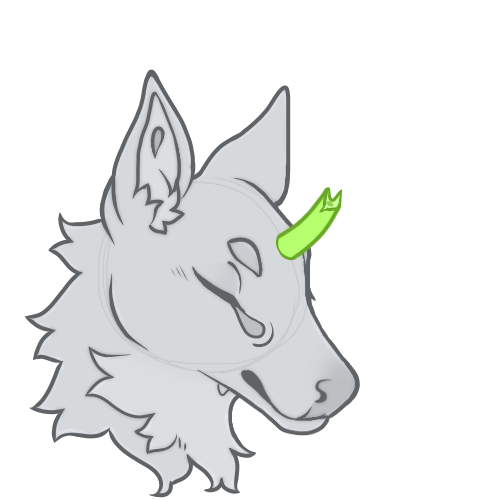
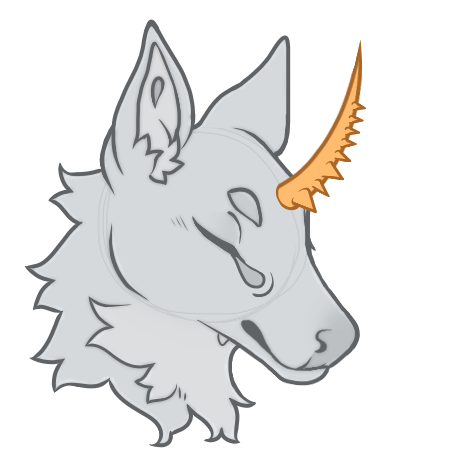
Broken Horn ( ![]() Modified)
Modified)
Notes:
• Cannot be broken to the nub/not visible (being hidden with hair does not count).
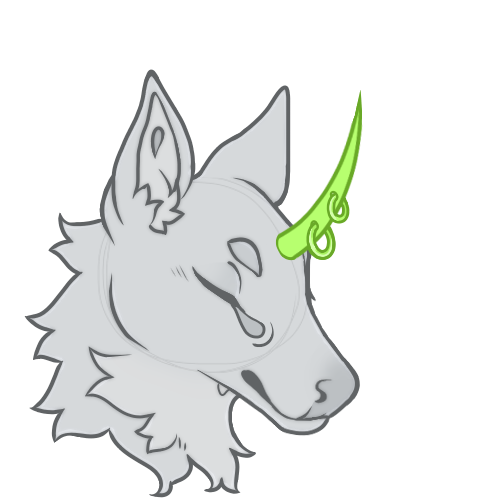
Pierced Horn ( ![]() Modified)
Modified)
Notes:
• Can be any kind of piercing and any amount (as long spaced).
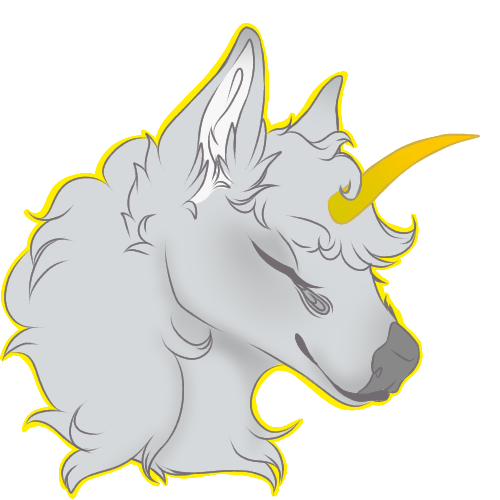
Rotated Horn ( ![]() Common)
Common)
Your corceïs is born with a horn that grows at a rotated angle, pointing in a direction other than normal. The rotation can be up to 90⁰ from normal. Like all traits, this can be inherited by offspring.
Notes:
• This trait is only needed when the horn’s position is rotated in any direction.
• You do not need this trait if the horn is placed normally.
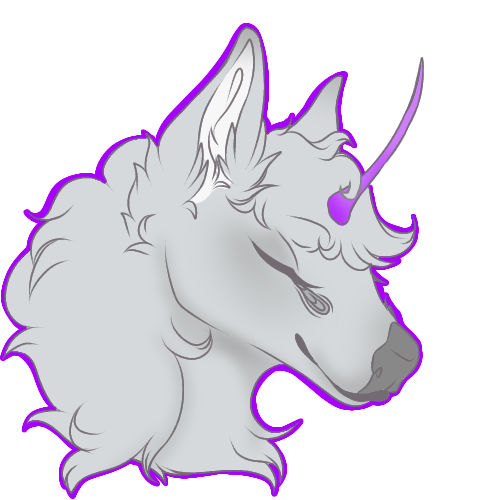
Flat horn (  Rare)
Rare)
Your corceïs is born with a horn that has a flattened or blade-like shape, giving it a broad, distinct silhouette. The horn may taper, flare, or maintain its width along its length, creating a striking, angular appearance. Like all traits, this can be inherited by offspring.
Notes:
• The horn can vary in width and thickness.
• Flatness may be more pronounced at the base, middle, or tip.
• Edges do not need to be perfectly straight or symmetrical.
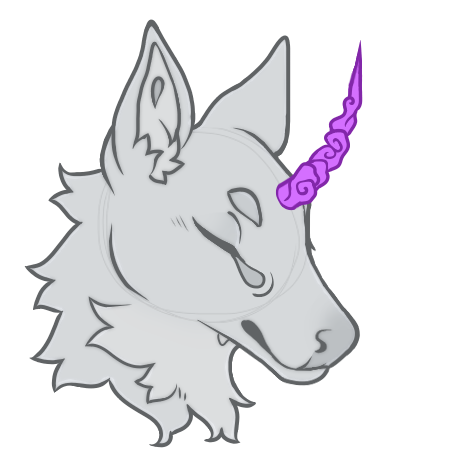
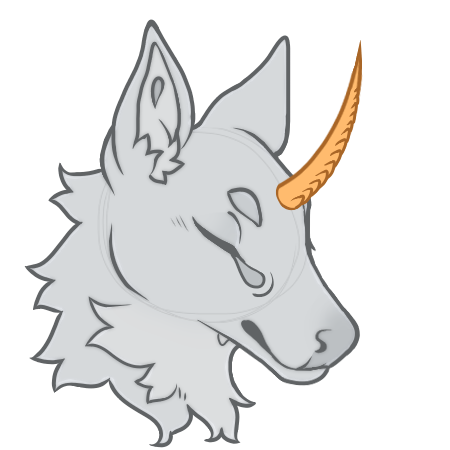
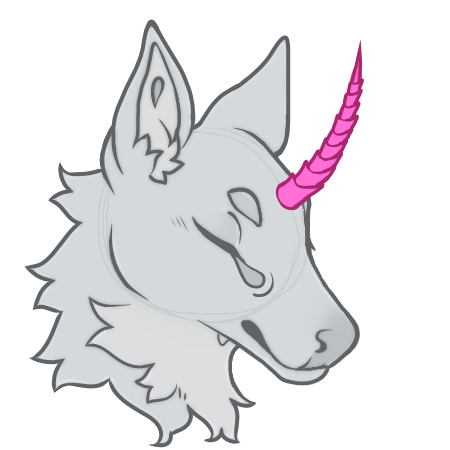

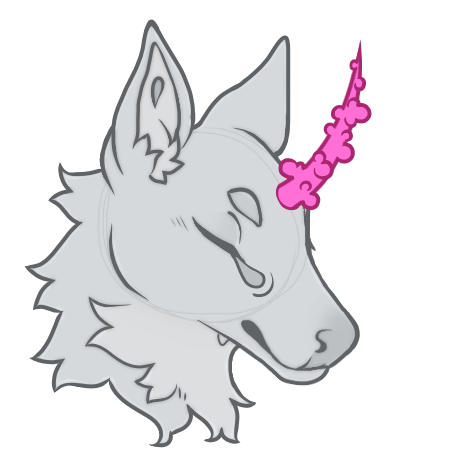
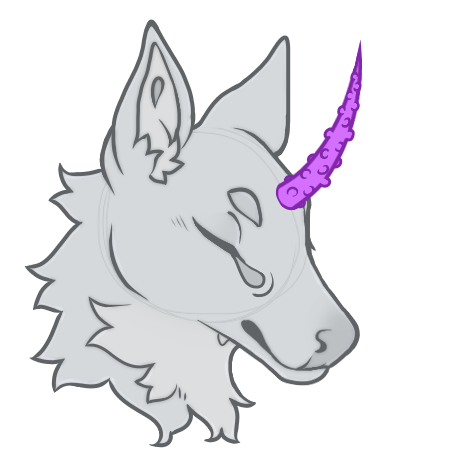
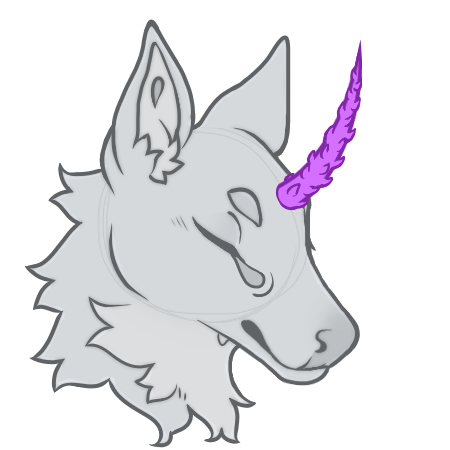
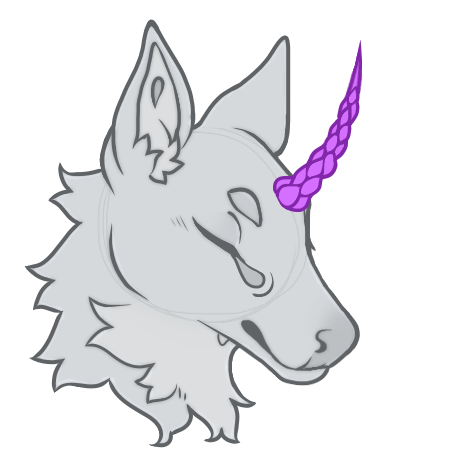
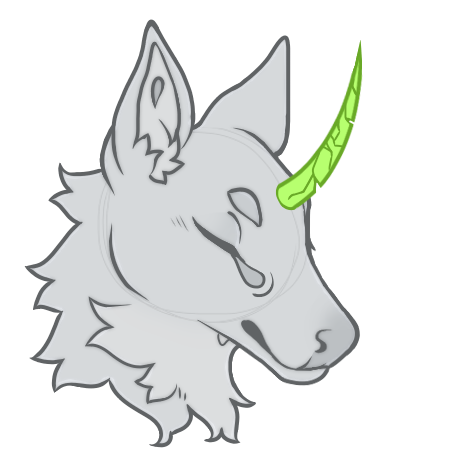
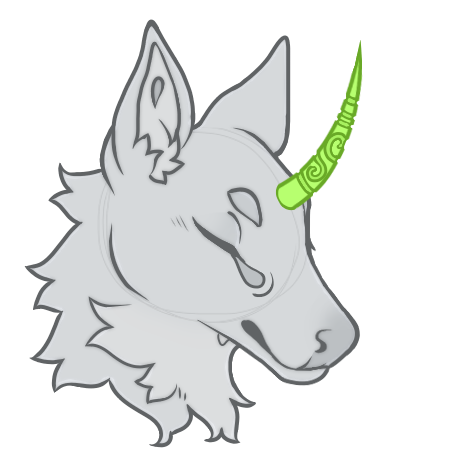
Carved Texture ( ![]() Modified)
Modified)
Notes:
• Members can read more about carved horns/stingers Here.
