subtypes

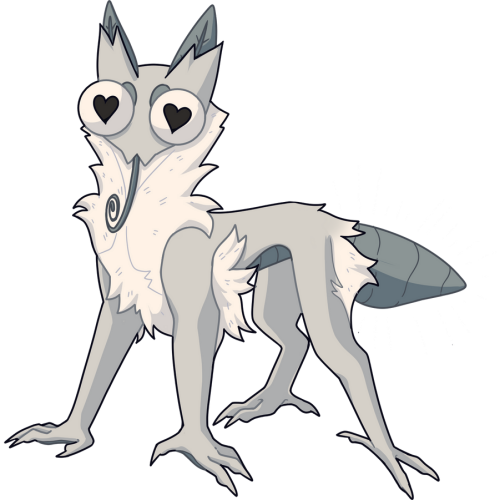
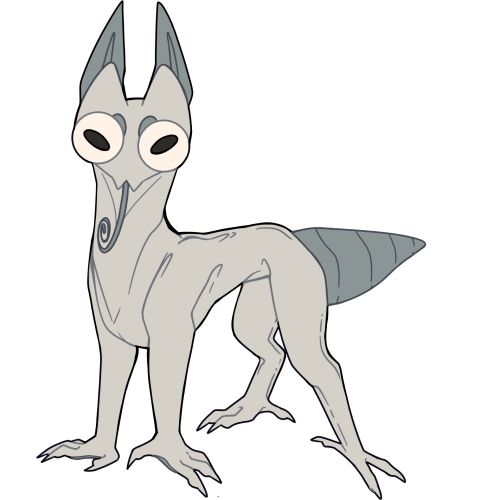
City Variant

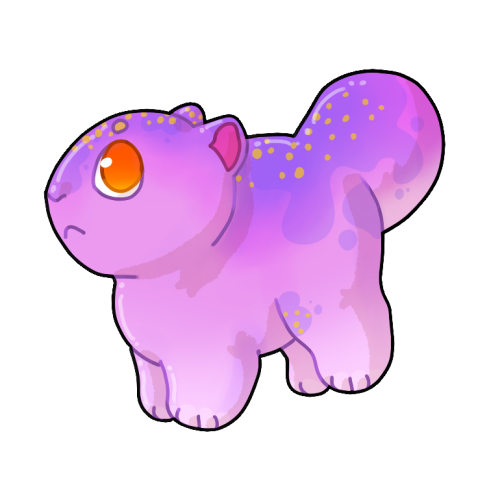
City Variant (Dearainmhí subtype)

• Widely considered pests.
• Can be found in big cities.
• Tends to get into the trash and leave silk behind.
• Can be tamed.

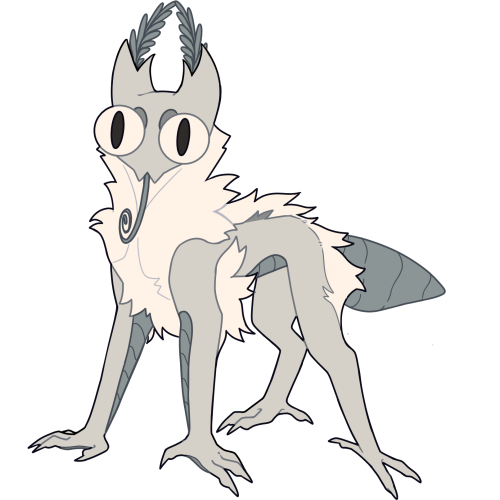
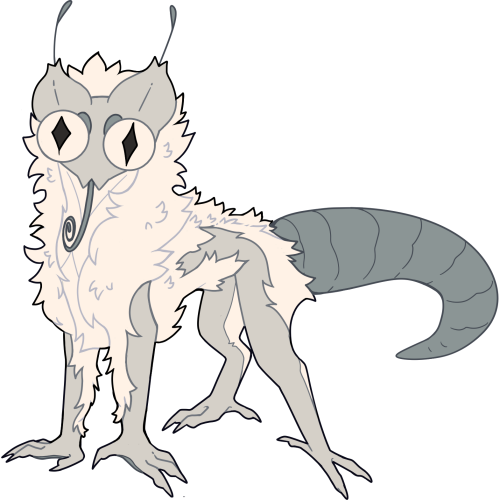
Wild Variant

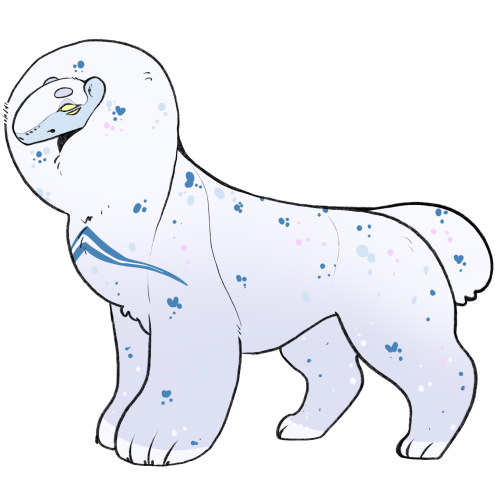
Wild Variant (Dearainmhí subtype)

• Not truly wild, but tends to act out more.
• Longer legs, more buggy parts.

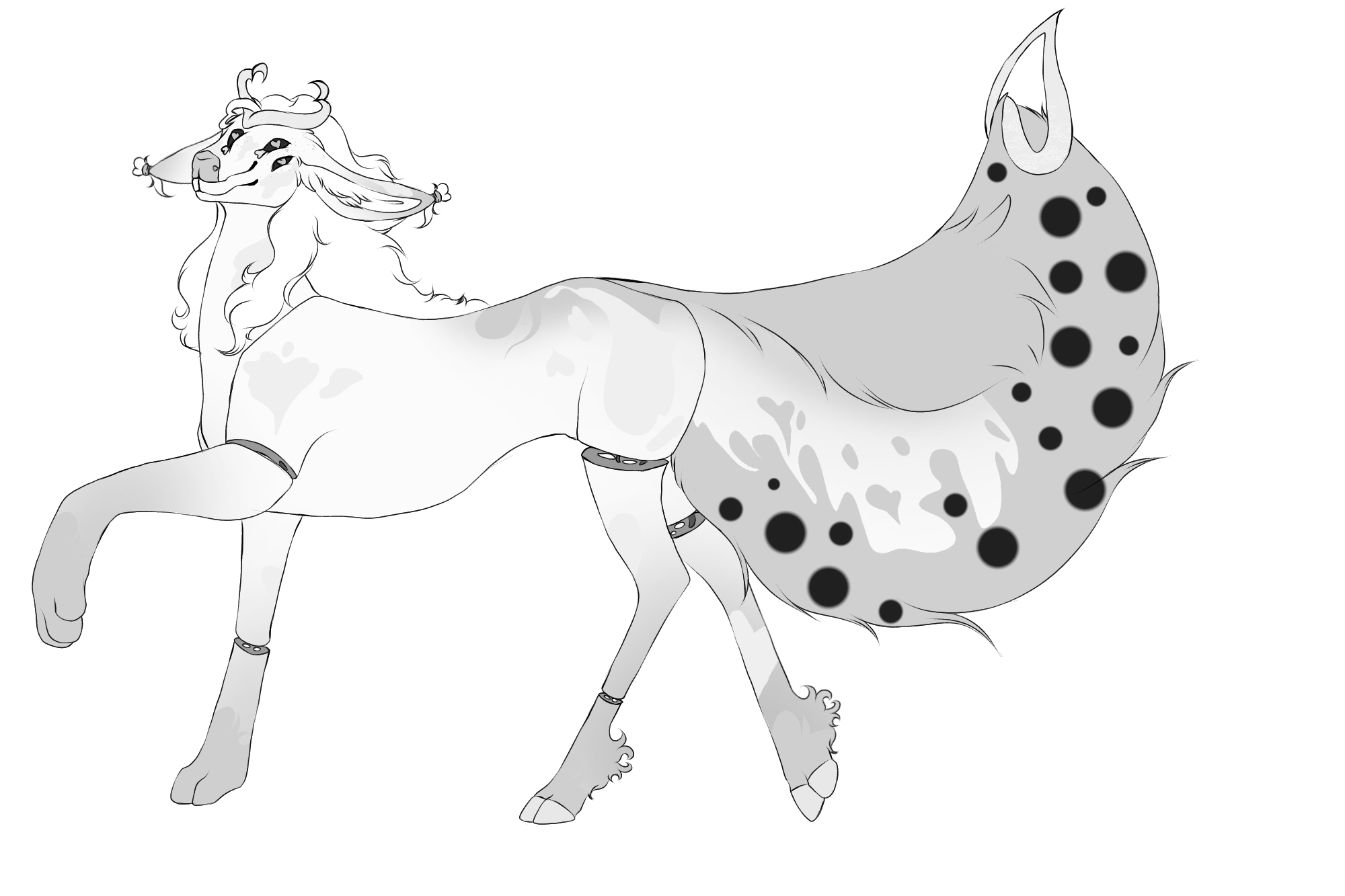
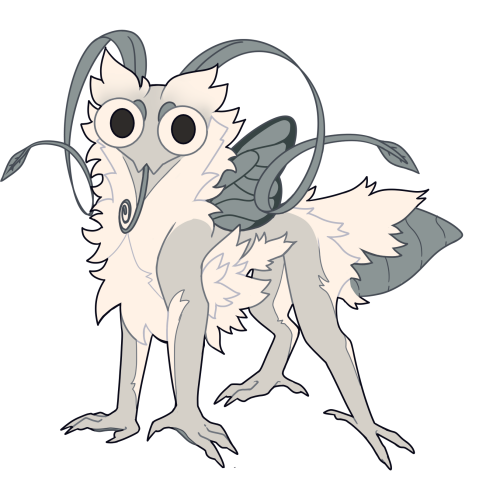
Fancy Variant: Mariposa

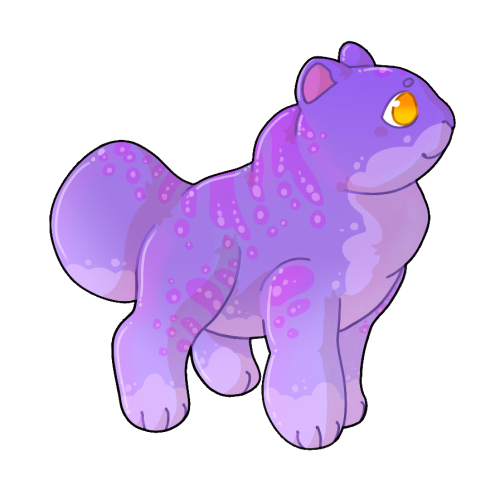
Fancy Variant: Mariposa (Dearainmhí subtype)

• Puffy, extremely soft fur.
• Long antenna.
• False wings.

Fancy Variant: Ermina

Fancy Variant: Ermina (Dearainmhí subtype)

• Pronounced fur ruff, extremely soft.
• False ears on the head, usually round.
• Very long tail that cannot glow.

Fancy Variant: Sphinx

Fancy Variant: Sphinx (Dearainmhí subtype)

• Completely hairless, with wrinkly skin.
• Small, pointed false ears.
• Tall antenna, small tail.

Pocket Variation

Pocket Variation (Siaks subtype)

• About the same size as a Cannäti.

Munchkin Variant

Munchkin Variant (Aichmitas subtype)

• About the same size as a Gaïkel.

Standard

Standard (Siaks subtype)

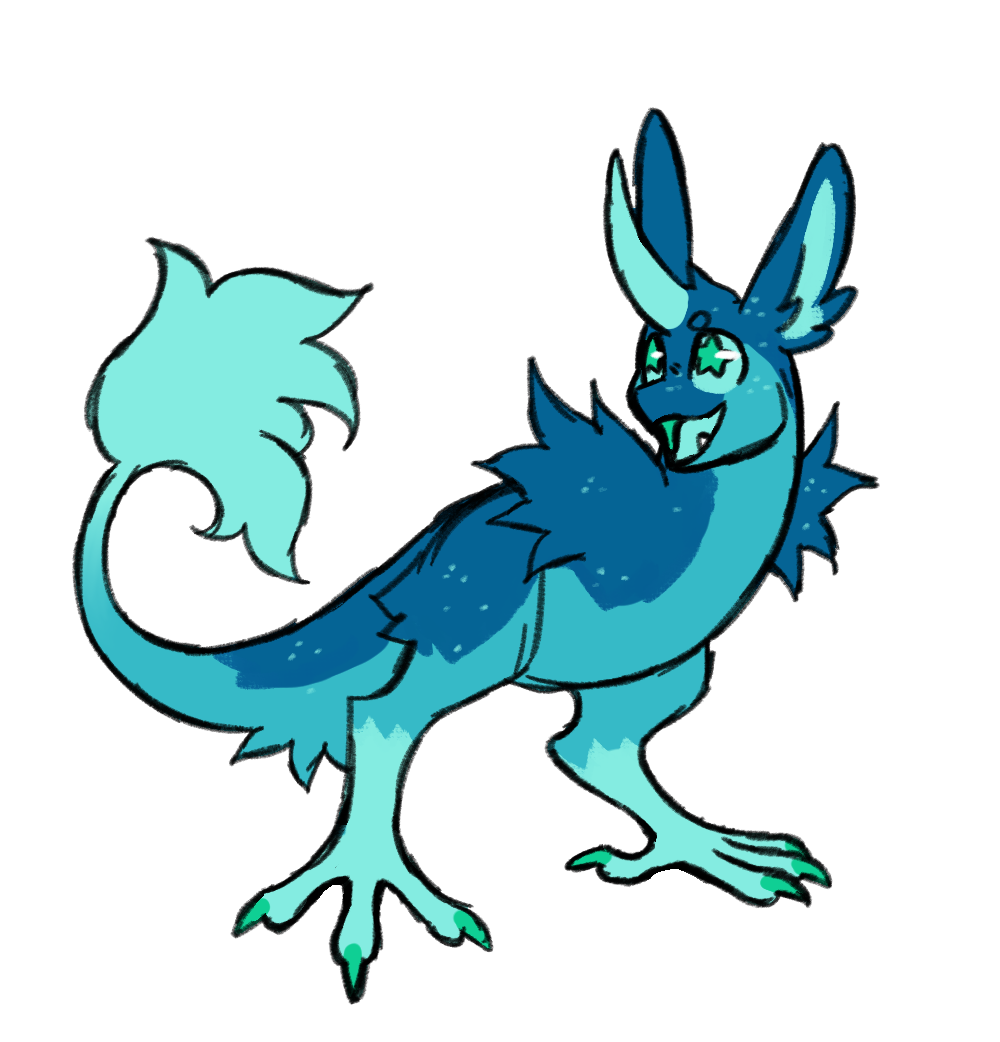
Arcanai

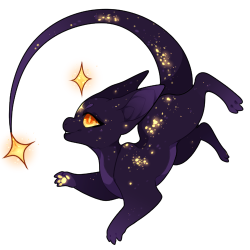
Arcanai (Affiliated Species subtype)

A tiny draconic friend! Not many know where they come from, or how they arrived in Postinen, but they are cute!

Notes:
• They can only be dark colors.
• Must have glowing freckles and stars.
• Cannot be fluffy.
• The Nitifru Fruit cannot be applied to them.

Behavior Friendly
Weight 6kg - 10kg
Lifespan 10 - 50 years
Habitat ???
Diet Omnivore


Credits: batbites

Sqwaguls

Sqwaguls (Affiliated Species subtype)

A small (and full of energy) pet! No one really knows where they came from or how they got in Postinen, but they look quite adorable!

Notes:
• They can be any color.
• Must have bird feet.
• They do not have wings.
• Pupils must be star-shaped.
• The Nitifru Fruit cannot be applied to them.

Behavior Friendly
Weight 6kg - 10kg
Lifespan 10 - 50 years
Habitat ???
Diet Omnivore


Credits: supercool

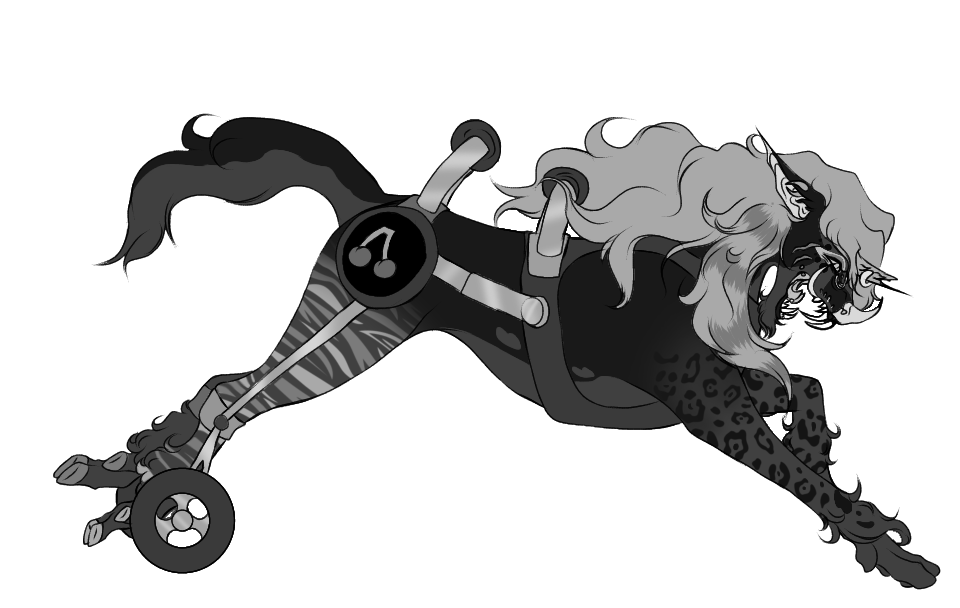
Corseï Pedalus

Corseï Pedalus (Corceïs subtype)

Status: Established Subspecies

Primitive? Yes — one of the earliest known forms.


Traits


Smaller, thicker-bodied Corseï.


Pawed hind legs rather than hooves.


Built for agility, sprinting, and dense forest navigation.


Softer bone structure and faster maturity rate.


Wirey Whiskers on the muzzle and the eyebrow area


Their spinal cord is very cat like meaning their spine can extend slightly 


Role in History


The Paw-Backed were extremely common during early Cor development.

Their widespread presence caused early Chryths to assume that pawed traits were standard, aiding perfect mimicry during initial infiltration.

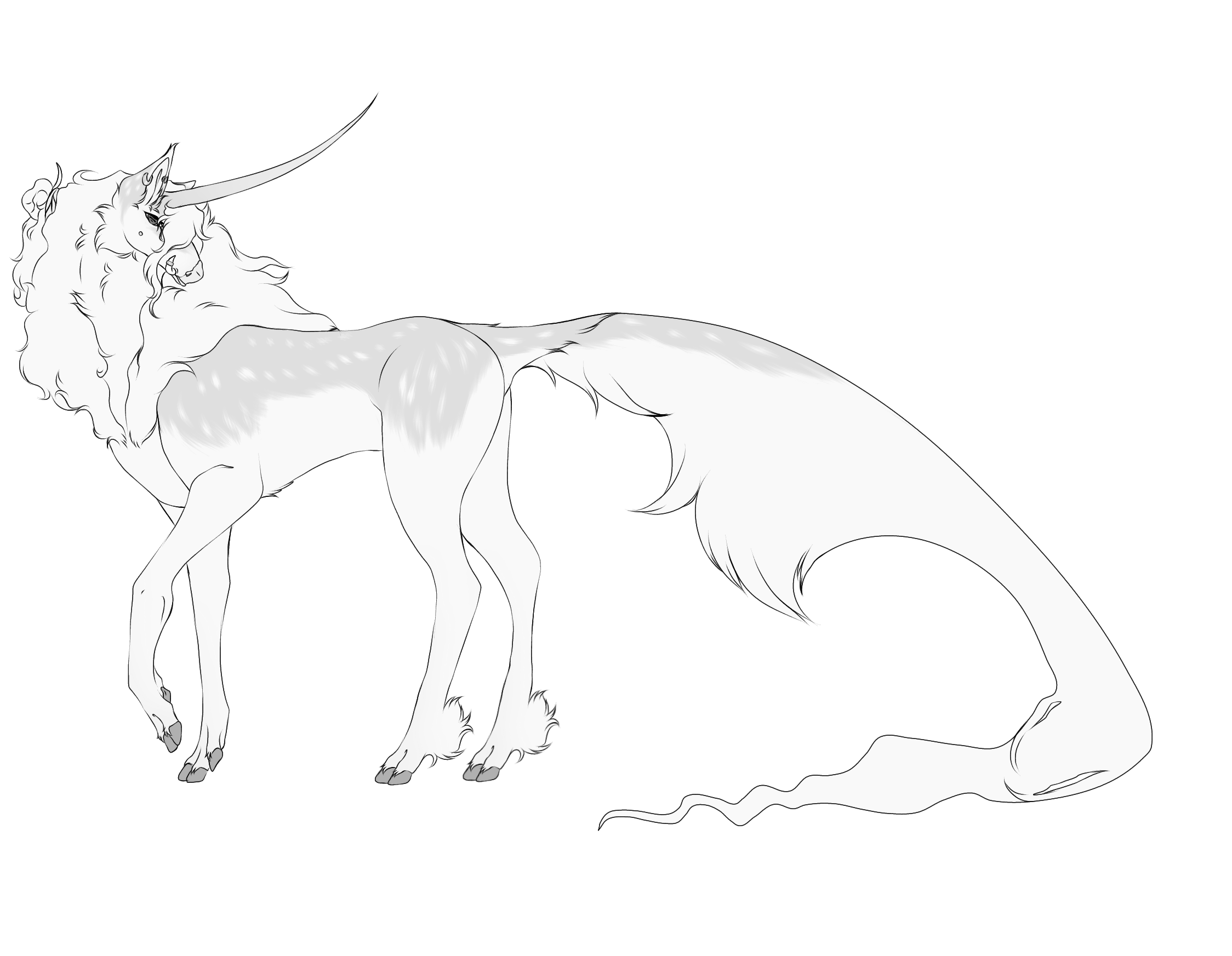
Corseï Cervalus

Corseï Cervalus (Corceïs subtype)

Status: Established Subspecies

Primitive? Mixed — partially primitive with modern evolution.


Traits


Deer-like build with a long, elegant stance.


Slender hooved legs and refined head shape.


Stronger attunement to Cor Magic and early spellcraft.


Typically calmer temperaments and high social roles in old tribes.


Role in History


Their magical sensitivity helped form the foundations of Cor spell traditions, including early forms of Scaled Body, Rootbinding, and other ancient defensive magics.

Corseï Dolora

Corseï Dolora (Corceïs subtype)

Status: Primitive Subspecies


Traits


Thickened hide, coarse fur, and broad shoulders.


Known for physical strength and endurance.


Less common in modern society, but fossils and historic carvings show they supported early settlement-building.


Role in History


Stonehide tribes were among the first to resist Chryth invasion attempts during the earliest alien arrival, surviving the harsh post-impact era.

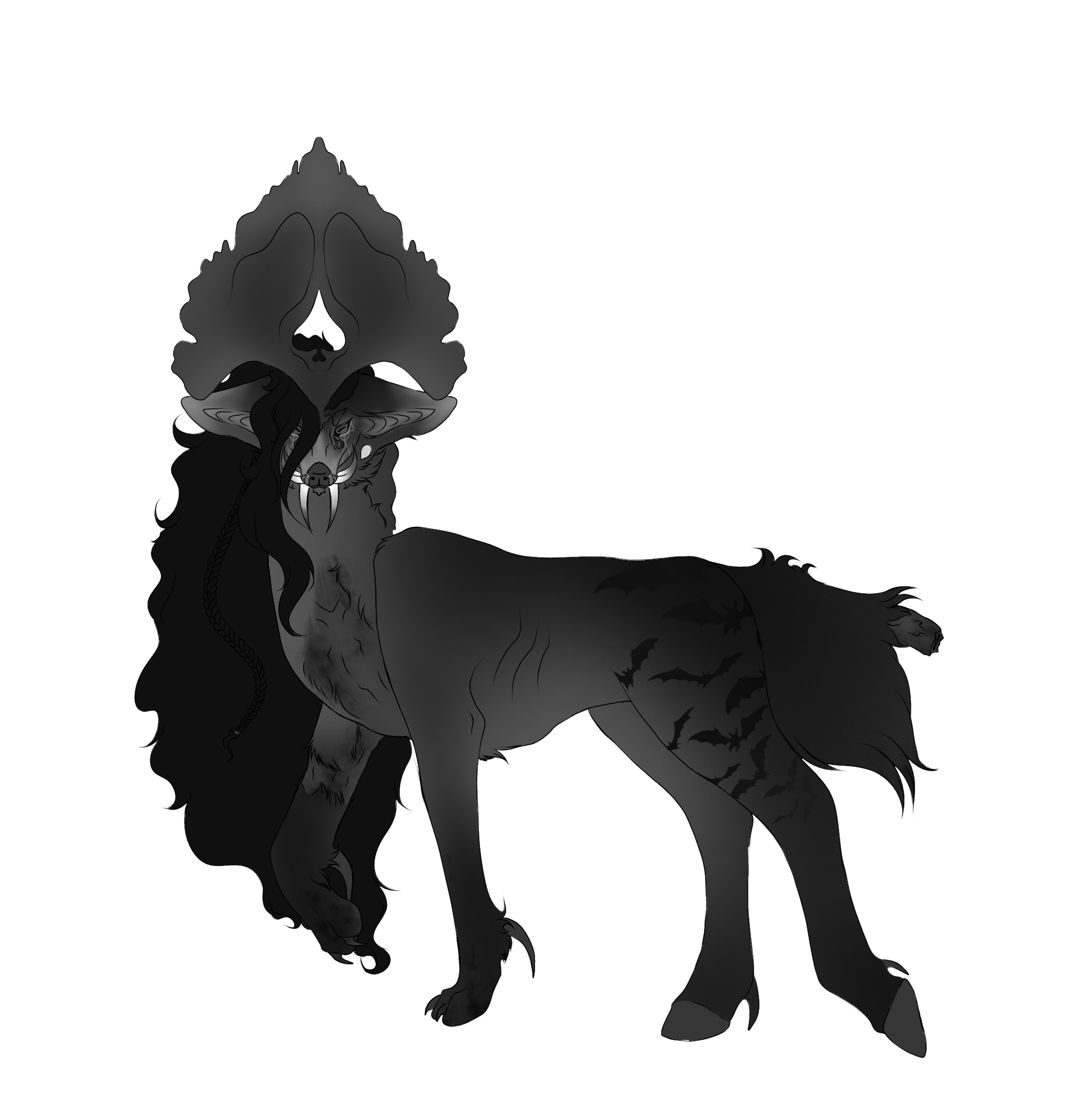
Corseï Cavita

Corseï Cavita (Corceïs subtype)

Status: Primitive Subspecies


Traits


Large, hollow-structured ears used for temperature control.


Slightly smaller eyes and shortened muzzles.


Adapted to arid and open regions.


Their paws are scaled to help with burning sand


Role in History


They inhabited scorched plains where Chryths first crashed, contributing to the earliest cross-species sightings and raw myths.

Corseï Lysarii

Corseï Lysarii (Corceïs subtype)

Status: Modern Subspecies


Traits


Sleek, long-legged build with a light, refined frame.


Smooth facial structure with clean horn growth.


Shorter fur with feathering around the neck, ankles, or tail tip depending on region.


High magical stability, able to channel complex spells without strain.


Naturally balanced temperament and strong social adaptability.


Role in History

The Lysarii emerged as the dominant Cor lineage as primitive subspecies faded over time. Their dependable magic control allowed them to become the backbone of modern Cor society!

16 subtypes found.